
Bat Removal & Exclusion
Bats in the Attic?
Inspection, one-way exclusion and entry-point sealing across the Central Finger Lakes.
Hearing movement above the ceiling, seeing bats near the roofline, or finding a bat inside may indicate activity connected to an attic or upper structural area. ENVOREX inspects the structure, identifies potential entry points and prepares a clear exclusion plan based on the conditions found.
(680) 310-9390 · Answered daily, 7:00 AM–7:00 PM
Was a Bat Found in a Living Space?
Avoid direct contact with the bat. If anyone may have had contact with it—or it was found in a room with a sleeping person, an unattended child, or someone unable to reliably report contact—contact the appropriate county health department promptly for guidance.
New York State bat and rabies guidance
ENVOREX does not determine whether a human or pet exposure occurred and does not provide medical, veterinary or public-health advice.
Possible Attic Activity
Signs That Bats May Be Using an Attic
Attic activity is not always visible from inside the home. An inspection considers both interior observations and exterior building conditions.
Movement or Sound
Scratching, rustling or faint vocal activity may be noticed near ceilings, walls or upper structural areas, particularly around evening or early-morning activity periods.
Exterior Flight Activity
Bats may be seen entering or leaving near roof edges, soffits, fascia, vents, chimneys or other upper openings.
Staining or Droppings
Dark staining or accumulations near an opening may indicate repeated wildlife activity, but the source should be evaluated before conclusions are made.
Bat Found Indoors
A bat appearing in an upper hallway, bedroom or living space may indicate access from an attic, wall cavity or another structural opening.
Structural Inspection
Where Bats May Enter Near an Attic
Bats can use narrow gaps and construction transitions near the upper portions of a structure. The relevant locations vary by roof design, building materials, age, deterioration and previous repairs.
- Roof edges and roof-to-wall transitions
- Soffits and fascia
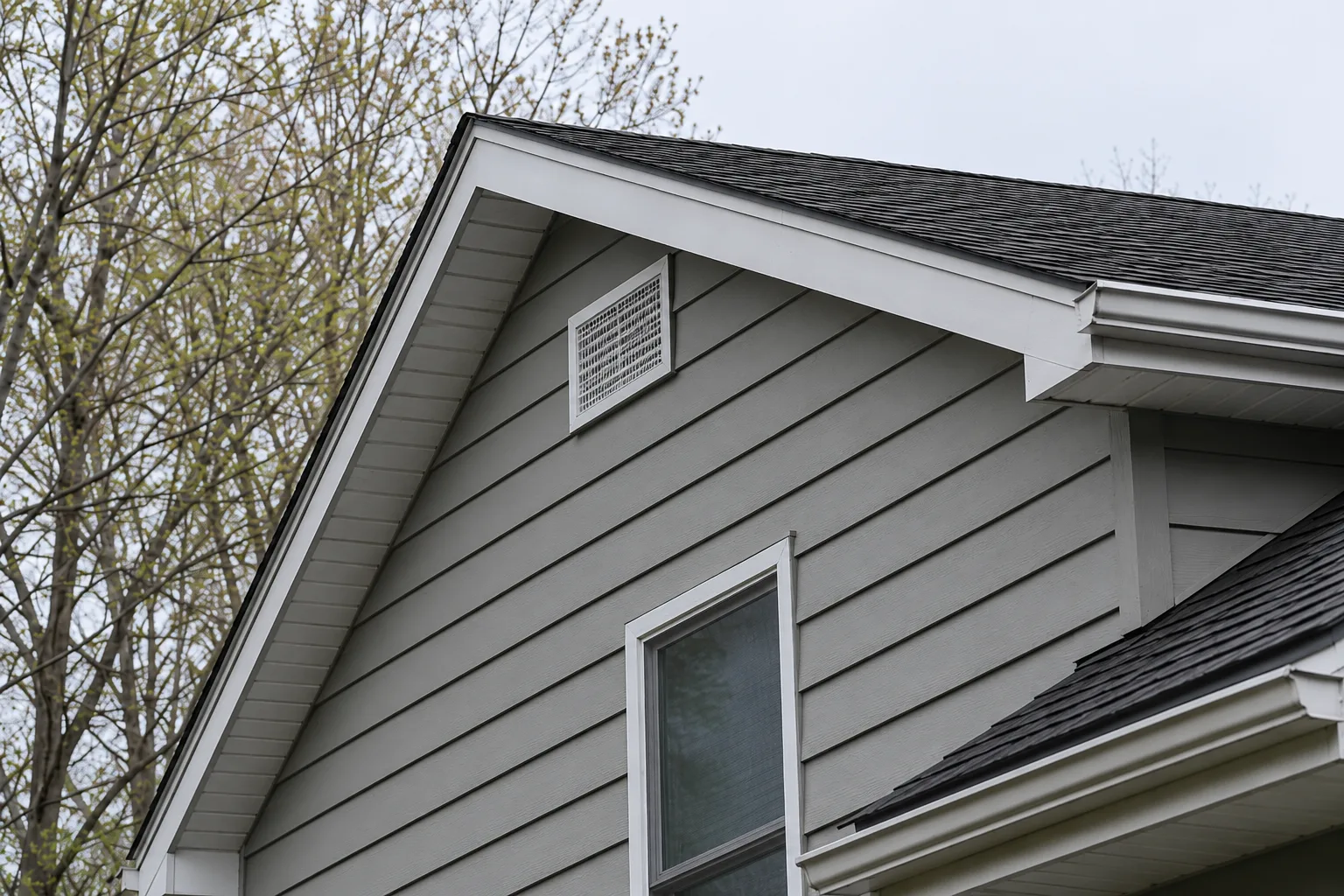
- Gable and roof vents
- Chimney and flashing transitions
- Loose or separated siding and trim
- Utility and mechanical penetrations
- Gaps associated with additions or attached structures
- Openings created by deterioration or previous construction work
The inspection determines which areas are active, which openings are suitable for exclusion and which conditions require separate repair work.
Attic Inspection & Exclusion
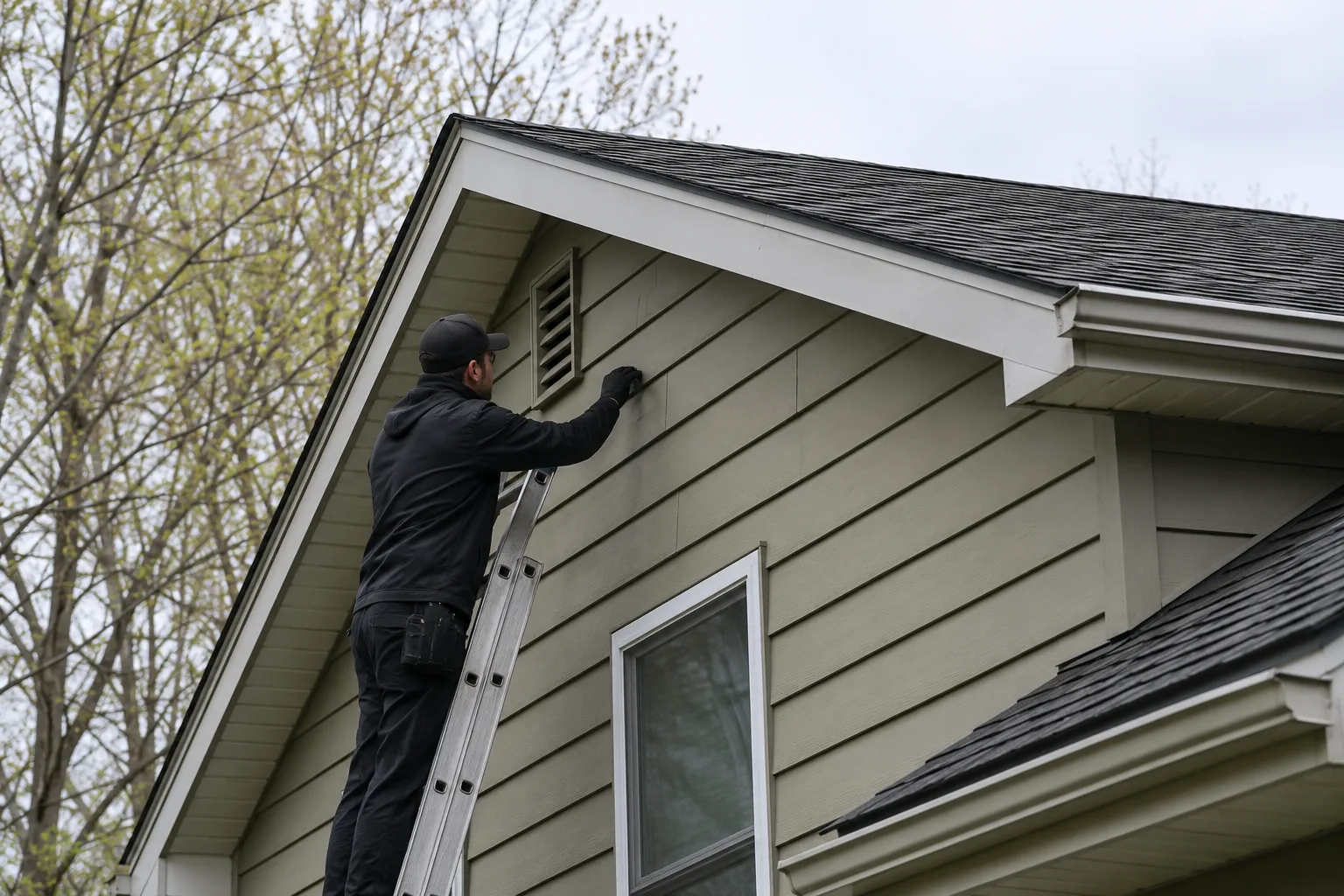
What an Attic Inspection May Include
Our Process
How Attic Bat Exclusion Works
- 01
Inspect the Structure
We evaluate the relevant interior and exterior areas, including accessible attic conditions and upper structural transitions.
- 02
Identify Activity and Entry Points
The inspection focuses on likely primary exits, secondary openings and conditions that may affect exclusion planning.
- 03
Prepare the Exclusion Plan
ENVOREX defines the proposed scope, access requirements, exclusions, timing considerations and pricing in writing.
- 04
Install One-Way Exclusion
Where appropriate, one-way exclusion devices or methods allow bats to leave while limiting re-entry through the treated location.
- 05
Seal Qualifying Openings
Qualifying entry points included in the written scope are sealed or reinforced after the applicable exclusion process.
The exact sequence may vary based on structure, access, observed activity, weather, seasonal conditions and the approved written scope.
Removing One Bat Is Not the Same as Excluding an Attic
A bat found inside may be a one-time event, or it may be connected to a structural opening used by additional bats. Removing or releasing one animal does not correct the building condition that allowed entry.
Interior Bat Situation
The immediate situation may involve locating the bat, limiting access to occupied rooms and determining whether public-health guidance is needed.
Structural Bat Exclusion
Structural exclusion focuses on how bats are using the building, where they are entering and which qualifying openings should be addressed under a written scope.
An inspection helps determine which type of response is appropriate for the property.
Attic Cleanup Is a Separate Scope
Bat exclusion and attic cleanup are separate services. Dropping removal, sanitation, odor treatment, insulation work, contamination-related work and structural restoration are included only when specifically listed in the written estimate or service agreement.
- Cleanup is not automatically included with exclusion
- Access and attic conditions affect the available scope
- Pricing is based on the conditions found and the approved work
Limited Exclusion Warranty
1-Year Limited Bat Exclusion Warranty
Qualifying bat entry points repaired by ENVOREX may be covered for one year when the warranty is included in your written estimate or service agreement.
Coverage applies only to the specific entry points and exclusion work identified in the original written scope. It does not guarantee that the entire structure will remain free of bats.
- Covers qualifying bat entry points repaired under the original exclusion scope
- Applies only when included in the written estimate or service agreement
- Does not automatically cover new openings, untreated areas or unrelated bat activity
Request a Bat Inspection
Tell us what you have observed and where the activity appears to be occurring.
Prefer to call? (680) 310-9390 · Answered daily, 7:00 AM–7:00 PM
Serving the Central Finger Lakes
ENVOREX provides bat inspection and exclusion services across communities throughout the Central Finger Lakes and surrounding service area.
(680) 310-9390Hearing or Seeing Bats Near the Attic?
Call ENVOREX or submit an inspection request so we can learn what is happening at the property.
Answered daily, 7:00 AM–7:00 PM